
How to Keep an Indoor Cat Warm in Winter (Without Burns or Fire Risks)
LitterBond Team
By the LitterBond Team · Researched against AVMA, ASPCA and iCatCare guidance · Last updated: November 22, 2026
The house feels chilly by evening. Your cat is curled into a tight ball on the couch. Or she has squeezed in next to the radiator. You wonder if she's cold, and if a heating pad would help.
Do indoor cats get cold? Some do, and some feel it much sooner than others. But most indoor cats don't need anything electric. They need a few warm spots, out of drafts and off the cold floor. And they need the freedom to pick one. Anything that plugs in needs real care.
Here's how to keep an indoor cat warm in winter, from easy warm spots to heater rules.
Know Which Cats Feel the Cold Most
Some cats feel the cold much sooner than others. Cats Protection, a UK cat charity, names four groups at higher risk. They are kittens, unwell cats, elderly cats and hairless cats.
The American Veterinary Medical Association (AVMA) adds that short-haired pets feel the cold faster. They have less protection. The AVMA says pets with diabetes, heart disease, kidney disease or hormone problems may have a harder time controlling their body heat. The same goes for very young and very old pets.
Older cats have a few extra reasons. PetMD explains that senior cats may have more delicate skin and less body fat. They may not groom well, so the coat can mat and hold less warmth. Arthritis can also affect how well they stay warm. Another PetMD guide says skinny cats and short-haired or hairless breeds get cold quicker, too.
Give extra thought to your cat if she is:
- A kitten.
- A senior.
- Hairless or short-haired.
- Thin.
- Living with a health problem, such as diabetes, heart disease or kidney disease.
If one of these fits, set up more than one warm spot. Then check on her more often on cold nights.
Watch for the Signs She's Cold
A cold cat often shows it in how she rests, long before she shivers. Cats Protection lists the signs that a cat is too cold:
- Shivering.
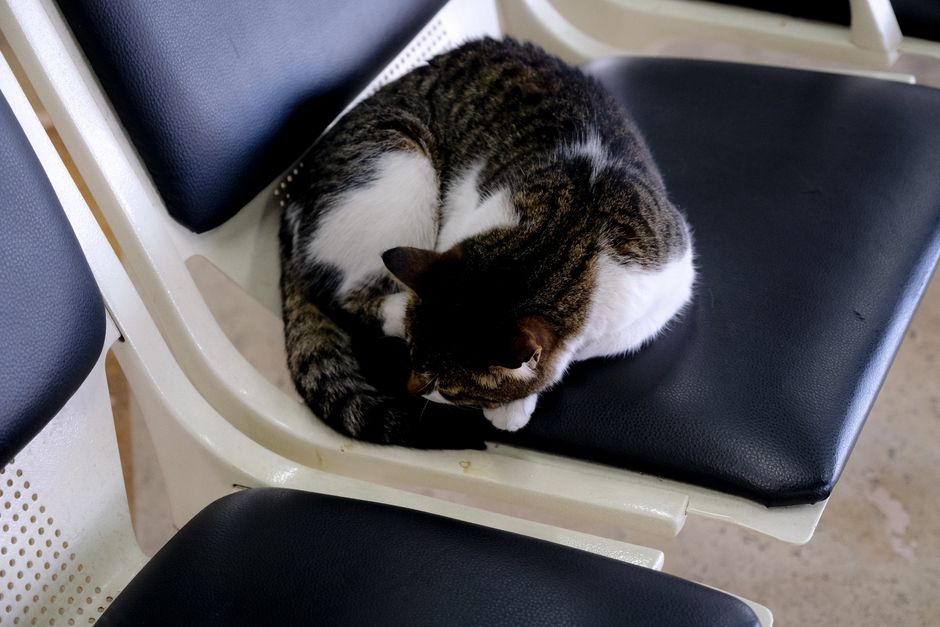
- Curling up tight into a ball.
- Being more tired than usual.
- Cold ears, paws or tail.
PetMD adds that, unlike dogs, cats often don't shiver or cry out until they are quite cold.
So don't wait for shivering. Feel the tips of her ears and her paws when she wakes up. Notice where she naps, too. Maybe she suddenly camps on the radiator cover or under your blanket. She may be telling you that room is cold. If the room feels fine to you and she still does it, see the vet section below. But plenty of cats curl into a ball when they're just comfy. Look for a few signs together, not just one.
Some signs mean a vet, not just a blanket. Cats Protection lists the signs of hypothermia, which means a body that is too cold. Some are serious, and some are an emergency:
⚠️ Signs of hypothermia (Cats Protection's list)
- Weakness or trouble walking (serious)
- Slow or shallow breathing (serious)
- Pale gums (serious)
- Collapse (emergency)
- No response to you (emergency)
- Wide, dilated pupils (emergency)
If you see any of them, head to the vet. Wrap her in a warm towel or blanket for the trip. Cats Protection says not to use hot water, heating pads or hair dryers to warm her.
Set Up Warm Spots Without Electricity
Most indoor cats do fine with a few cozy beds in warm, draft-free spots. The ASPCA's advice: give your cat a warm place to sleep, off the floor and away from all drafts.
International Cat Care (iCatCare) notes that cats prefer warm places to sleep. It suggests beds in different spots, including warm, sunny and quiet ones. It also says a mix of covered and open beds can work well. The AVMA makes the same point another way. Pets may move to get more or less warmth, so give them options.
Here is a simple way to set it up:
-
1
Lift beds off cold floors
Tile, stone and floors along outside walls stay cold. Set beds on a rug, or somewhere a little raised. For a senior, a stiff cat or a kitten, keep it low and easy to step onto. Make sure a raised bed can't slide off.
-
2
Find the drafts
On a windy evening, hold the back of your hand near doors, windows and vents. Move beds away from any spot where you feel the air move.
-
3
Follow the sun
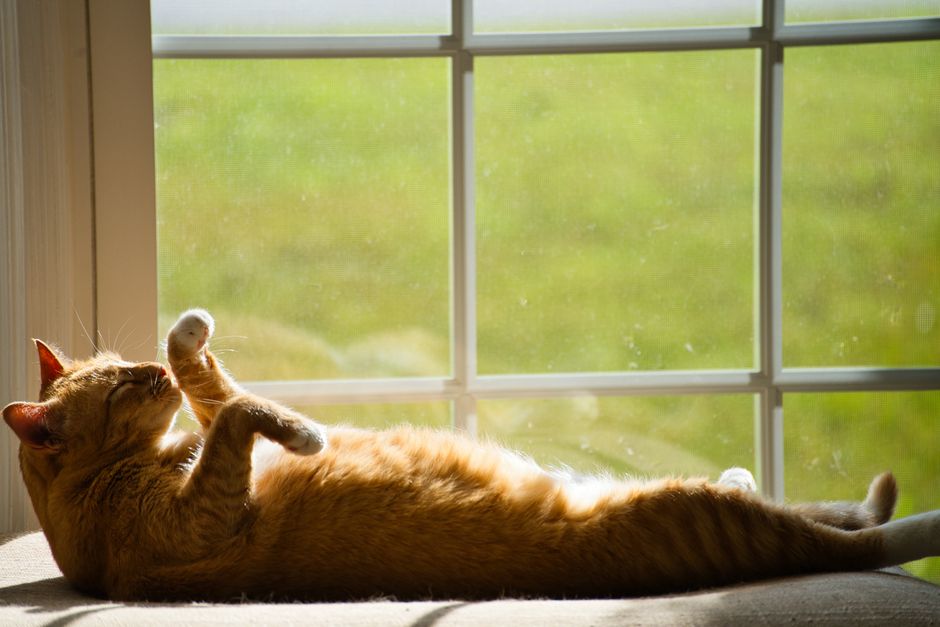
A window with afternoon sun makes a warm daytime spot. A folded blanket on the sill is enough, if the window passed the draft test in step 2.
-
4
Offer a covered spot and an open one
Some cats like to burrow and hide. Others like to stretch out and watch the room.
-
5
Put beds where she already naps
Add an old blanket she can dig into. Then let her pick.
For a burrower, the quilted gingham cave bed has a fleece-lined hood and a thick, double-filled base. Use it as a closed cave. Or fold the flap down into an open mat for a cat who is unsure at first.
It has no frame, so the top is soft and the opening won't stay stiff. Choose by weight, and pick the Large for sprawlers or a cat near the weight limit. Make sure a kitten can climb out easily. Check the seams now and then, and keep long fur clear of the hook-and-loop tabs. Spot clean it, and wash it only as the care label says.
For a cat who likes to curl up, the round plush donut bed has a puffy rim to tuck in against. The top is soft, long-pile plush. Its dotted base helps it stay put on smooth floors.
To size it, measure her curled up and add a few inches, since the width includes the rim. The maker's weight guide is only a rough one. It arrives flat. Remove every bit of plastic wrap and give it time to puff back up before she uses it. Spot clean it, and follow the care label before any washing.
Neither bed makes heat on its own. Where you put a bed matters more than which one you pick. Keep it off the cold floor, out of the draft and in the sun when there is some.
Winter air indoors can be dry, too. The ASPCA suggests keeping your home humid. It says plenty of water helps keep pets well hydrated and their skin less dry. Keep a water bowl near her favorite winter spots. If she rarely seems to drink, see how to get your cat to drink more water.
Be Careful With Heating Pads
A heating pad looks like the easy answer, but it can burn. VCA Animal Hospitals asks a true-or-false question. Are heating pads a safe way to keep a pet cozy and warm in winter? Its answer is false.
VCA explains that a pad can heat up over time and cause burns. That's most likely on sleeping pets who don't wake up fast enough as it gets too hot. VCA singles out pets who are old, sick or have arthritis. They sleep deeply, or have a hard time getting up. Then there's the chance your pet chews the cord. VCA says the overall risk is just not worth it. It suggests a cozy nest of bedding and blankets in a sunny spot instead.
Pet heating products carry risk, too. The AVMA says heated pet mats should be used with caution. They can still cause burns. PetMD warns that electric blankets can be a fire hazard with a curious pet.
If you use a heating pad anyway: VCA's four rules
- Lowest heat setting only
- Several blankets between the pad and your cat
- Never inside a closed carrier or crate, so she can always get away from the heat
- You watch her the whole time it's on
Never use a pad to warm a cat you think has hypothermia. See the signs above.
Keep Heaters, Fires and Cords in Check
Cats love a heat source, so keep her from getting too close to one. The AVMA says to use space heaters with care around pets. They can cause burns, or get knocked over and start a fire. iCatCare advises keeping your cat away from open fireplaces, wood stoves and space heaters, to avoid burns. PetMD suggests a gate in front of your fireplace.
The U.S. Fire Administration says to keep anything that can burn at least 3 feet from heat sources. That covers space heaters, fireplaces and candles. Her bed and blankets count, too. Keep them at least 3 feet from a space heater, fireplace or wood stove. The USFA also says to turn space heaters off when you leave the room or go to bed.
The Electrical Safety Foundation International (ESFI) adds: never leave a space heater unattended. It also says not to let pets play too close to one. Set the heater on a level, flat surface, and never on furniture or carpet.
Cords need a plan as well. Plug a space heater straight into a wall outlet, never into an extension cord or power strip. ESFI warns those could overheat and start a fire. Some cats also chew cords. PetMD's cat-proofing guide warns that chewing electrical cables can lead to electrocution. It suggests tucking cables away or taping cords down.
Check the Odd Warm Spots
Cats go looking for heat, sometimes in places that can hurt them. The Cornell Feline Health Center warns that outdoor cats crawl into car engines and wheel wells for warmth. They can get hurt when the car starts. If outdoor or neighbor cats roam your street, check the wheel wells. Then honk the horn or bang on the hood before you start the engine.
Indoors, the laundry is the spot to watch. The same PetMD guide notes that a cat looking for a small, cozy place to hide might end up inside a washer or dryer. It suggests keeping each one closed unless you're loading or unloading it. Check inside, under the clothes, before you start a load.
Know When to Call Your Vet
Cold that comes with other changes is a question for your vet. Call your vet if your cat keeps shivering in a warm room, or seems unusually tired and listless. Call, too, if she suddenly hunts for heat all the time in a room that feels fine to you. Cold may not be the whole story.
The AVMA notes that cold weather may make some health problems worse, such as arthritis. It says pets should see a vet at least once a year, and that now is as good a time as any.
If you do one thing tonight, walk through the house at her height. Find the drafts and lift her bed off the cold floor. Slide it into tomorrow's sun, and leave one covered spot for burrowing.

Cat beds
A snug spot to burrow into
A quilted gingham cave bed with a fleece-lined hood and a thick, double-filled base. Use it as a closed cave or fold the flap down into an open mat.
See the cave bed →Questions this guide did not cover
How cold is too cold for an indoor cat?
Around 45 to 50°F. PetMD says indoor temperatures below about 45–50 degrees Fahrenheit can be uncomfortable for many cats. That's especially true for kittens, seniors, thin cats and hairless breeds. PetMD adds that a cat with big weight loss or arthritis may be quite uncomfortable even at 50 to 60°F. If a spare room or garage drops that low, give her a warmer room to rest in.
Should I feed my indoor cat more in winter?
Not without asking your vet first. The AVMA says to keep pets at a healthy weight all winter. Some owners think extra pounds help against the cold, but the AVMA says the health risks outweigh any benefit. Outdoor pets do need more calories in winter, so talk to your vet about what your cat needs.
How do I keep my cat warm during a winter power outage?
Plan before the storm. The AVMA warns that winter can bring blizzards and power outages. It suggests an emergency kit with enough food, water and medicine for at least five days. It also advises installing carbon monoxide detectors. When the power goes out, close off one room, pile up blankets and keep her with you. Keep candles and any fuel-burning heater at least 3 feet from her bed and blankets, the same fire rule as above.
Related reading
About this article
Researched and written by the LitterBond Team. Sources include the American Veterinary Medical Association (AVMA), the ASPCA, International Cat Care, VCA Animal Hospitals and the Cornell Feline Health Center. Reviewed and updated November 22, 2026. LitterBond does not employ veterinarians; for medical decisions about your individual cat, always consult your veterinarian.


