
Do Cat Dental Water Additives Actually Work? An Honest Look
LitterBond Team
By the LitterBond Team · Researched against AVMA, Cornell Feline Health Center and VOHC guidance · Last updated: October 9, 2026
You tried the toothbrush, and she bolted under the bed. You tried a finger wipe, and she clamped her jaw shut. Maybe you just paid for a dental cleaning at the vet. You would like the next one to be a long way off.
So, do dental water additives work for cats? Yes, a little, and slowly. A good one can help reduce soft plaque and freshen breath over time. It can't remove tartar that's already there. And it doesn't replace brushing or cleanings at the vet.
Below is what the research says and what an additive can't do. Then comes which cats it suits, and how to start one without putting your cat off her water.
What Does a Water Additive Do?
A water additive gives your cat a little dental care each time she drinks, with no handling at all. You mix a measured dose into her bowl or fountain. She drinks as usual. That's the whole routine.
Two words matter here. Plaque is the soft, sticky film that forms on teeth every day. Tartar is plaque that has gone hard. The American Veterinary Medical Association (AVMA) says dental disease starts with plaque that hardens into tartar.
An additive aims at the soft stage. The goal is to help reduce plaque buildup before it has time to harden. Once tartar has formed, water can't lift it off the tooth.
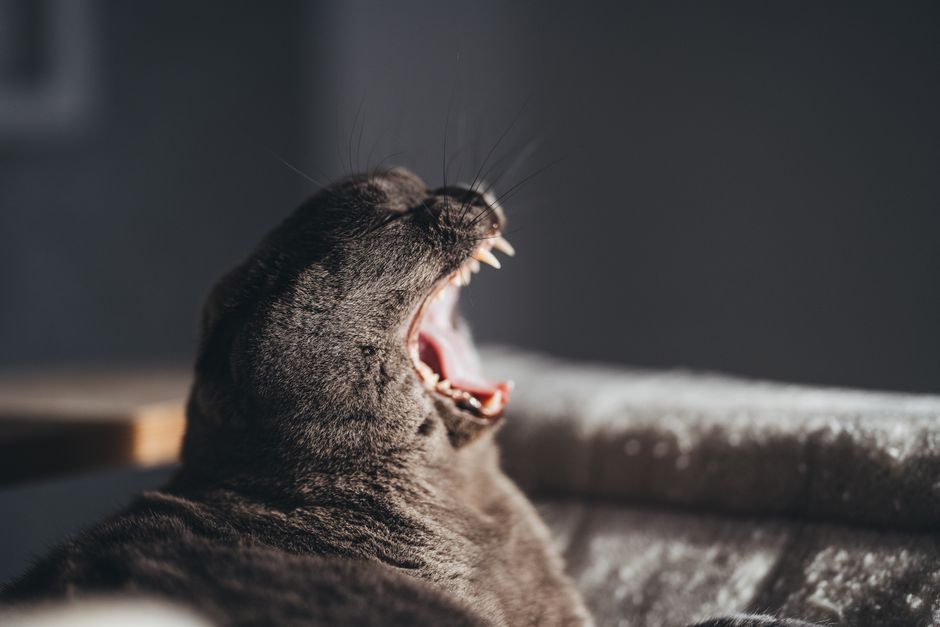
Timing matters, too. The Cornell Feline Health Center notes that plaque will build up again within days without regular tooth brushing. So a small daily habit beats a big effort once in a while.
There is one catch. An additive only helps a cat who drinks from that bowl. If she likes the bathroom tap better, she skips her dose.
What Does the Research Say?
The evidence is real but thin, and it measures build-up, not removal. There isn't much published research on water additives in cats.
The best-known cat study ran in the Journal of Veterinary Dentistry in 2006. It tested a drinking water additive made with xylitol. The test ran in two phases of 56 days each. The author reported that the additive reduced plaque and tartar build-up in the cats.
Notice what was measured. Build-up means new plaque and tartar forming over time. That's not the same as old tartar coming off.
Some newer research is in dogs. A 2023 study in Frontiers in Veterinary Science tested a commercial water additive in 40 dogs. The dogs started right after a professional cleaning. After 30 days, the dogs on the additive had less plaque and tartar than the dogs without it.
That's encouraging, but dogs are not cats. A result in one species doesn't carry over to another by default.
Formulas also differ a lot. The cat study used xylitol. The dog study used a mix with pomegranate extract. Both tested other companies' formulas. They show the idea can work. They don't show that any one bottle, ours included, will do the same.
What the VOHC Seal Means
The Veterinary Oral Health Council (VOHC) is the group behind a seal you may see on dental products. It does not test products itself. It reviews products against its standards for plaque and tartar control, when used as directed. The seal can be for plaque, for tartar (VOHC says "calculus"), or both.
As of this writing, the water additives on the VOHC list for cats carry a plaque claim, not a tartar claim. So if a bottle carries the seal, check which claim it has.
The Feline Veterinary Medical Association (FelineVMA, formerly the AAFP) says foods, treats or water additives with the VOHC seal help reduce plaque buildup. It adds a tip: ask your vet which ones are best for your cat.
What Can't an Additive Do?
An additive can't remove tartar, reach under the gumline, or stand in for brushing and the vet. Here is the honest split.
| An additive can | An additive can't |
|---|---|
| Help reduce plaque buildup. | Remove tartar that's already there. |
| Help freshen breath. | Clean below the gumline. |
| Reach every cat that drinks. | Help a cat who skips that bowl. |
| Work with no handling. | Replace brushing. |
| Fill the days between vet visits. | Replace a cleaning at the vet. |
Brushing is still the benchmark. The AVMA calls regular brushing the single most effective thing you can do between dental cleanings. The VOHC puts it in its own words: the gold standard is brushing.
Below the gumline is where the damage hides. The AVMA says plaque and tartar below the gumline is damaging. A full dental cleaning and exam are done under anesthesia, at the vet.
So think of an additive as the floor of a routine. It's not the whole routine. On days she allows nothing else, the water still does a little. On days she allows more, you can add more.
Which Cats Does It Suit?
An additive suits cats who won't be handled, homes with several cats, and cats who love a fountain. Here is why each one fits.
🙅 The cat who won't be touched
Some cats refuse any finger near the mouth, even after weeks of gentle practice. For her, the water bowl may be the only daily dental care. It asks nothing of her trust.
🐈 The multi-cat home
Brushing three cats means three separate battles. An additive in the shared bowls reaches every cat that drinks from them.
⛲ The fountain drinker
International Cat Care (iCatCare) notes that some cats like to drink from moving water. A dental additive can go in a fountain as well as a bowl.
Pick the one that sounds like your home, and start there.
Some cats should wait. A cat with red gums, drooling or a broken tooth needs your vet first, not a bottle. And if your cat already drinks very little, talk to your vet before you change her water.
If your cat fits one of those three, the LitterBond Dental Water Additive is one option. It's a 250 ml bottle with a probiotic oral care blend of enzymes and prebiotics. It helps reduce plaque buildup and freshens breath, with zero handling.

One bottle covers every bowl and fountain in the house. So each cat that drinks gets the same daily care. It won't remove tartar that's already there, and results are gradual.
How Do You Start One?
Start low, keep plain water nearby, and watch how much she drinks. Cats can be picky about water. iCatCare notes that many cats do not like heavily fluorinated water. So expect some cats to notice a change.
Right after a vet cleaning is a good time to begin. Her teeth start out clean, and the daily habit starts on day one.
Here is a start-up plan. It uses the dose on the LitterBond label.
-
1
Set out a plain bowl
Keep a bowl of fresh, plain water nearby for the first few weeks.
Why: she always has a choice, so a new taste never costs her a drink.
-
2
Start at 10 ml
Mix 10 ml into each 100 ml of fresh water. That's the label's starting point for picky drinkers.
Why: a smaller change is easier for a picky cat to accept.
-
3
Mix it fresh daily
Pour out yesterday's water, rinse the bowl, and mix a new batch. Never give it undiluted.
-
4
Watch her drinking
Notice which bowl she picks, and how often she comes back to it.
Why: a quick look at both bowls each morning tells you more than a guess.
-
5
Move up slowly
Once she drinks from the mixed bowl as usual, you can use up to 15 ml per 100 ml.
Go in order, and don't rush the last step.
If she ignores the mixed bowl, don't force it. Keep the plain bowl in place, and try again in a few days. Some cats never take to it, and that's fine. It just means another option suits her better.
For a fountain, find out how much water it holds. Then use the same ratio. Refresh the mix every day, just as you would a bowl.
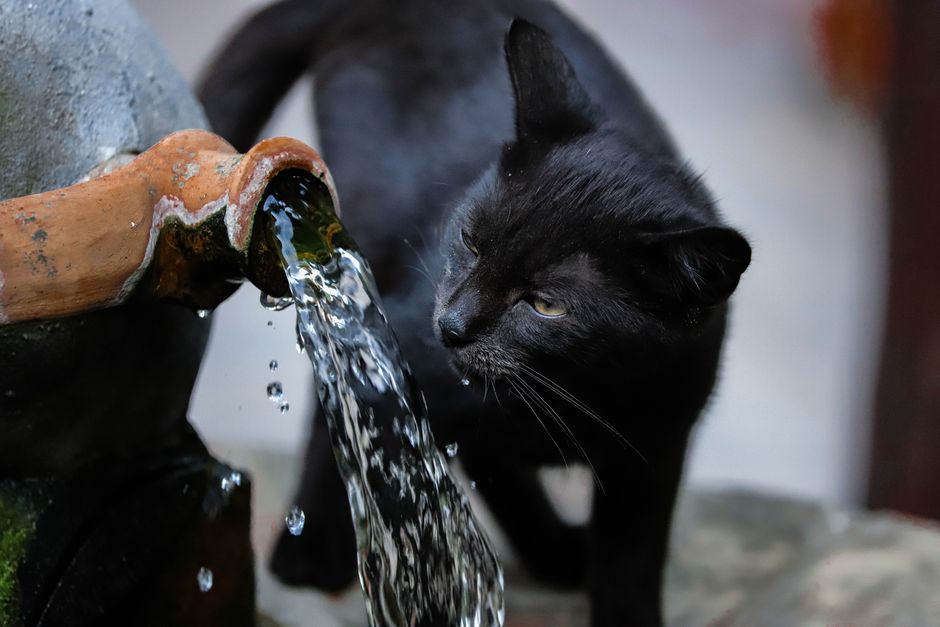
Then comes the stop rule. If your cat drinks less overall, stop and check with your vet. Less water can matter more than fresher breath.
iCatCare also suggests several water bowls around the house. That way your cat doesn't need to go far to find one. It also makes the plain bowl easy to keep. It's just one more water station.

For the cat who won't be handled
Daily dental care in her water bowl
A 250 ml probiotic oral care blend with enzymes and prebiotics. Mix 10–15 ml into each 100 ml of fresh water, every day, in bowls or fountains. It helps reduce plaque buildup over time; it won't remove tartar that's already there.
See the Dental Water Additive →How Do You Know It's Helping?
Breath is the easiest change to notice, and plaque changes take time. Results vary from cat to cat. They are gradual. Give it a fair trial before you judge it, because a few days is too soon.
Here is a simple way to keep track:
- Weekly sniff: check her breath at the same quiet moment each week.
- Short notes: jot a few words in your phone. Small changes are easy to forget.
- Gum glance: when she yawns, look at the gumline. Note any redness.
- Vet exam: ask about her teeth at every checkup.
Keep the notes simple, and bring them to her next visit.
The FelineVMA says most cats should see their vet every 6 to 12 months for checkups. Those checkups include a dental exam. Your vet can tell you how her teeth look compared with last time.
Bad breath that doesn't fade is a different story. The Cornell Feline Health Center says consistent bad breath should be checked by a vet. Don't keep waiting on the water for that.
What If She Allows 30 Seconds?
If she'll give you 30 seconds, a foam on the gumline adds more care than water alone. You don't need a brush. A small dollop goes on your fingertip. You smooth it along the gumline, right where tooth meets gum.
Daily Purr Defense is LitterBond's enzyme dental foam, in a 60 ml foam-pump bottle. Its key actives are papain enzyme and tea polyphenols. Let her sniff or lick a little from your fingertip first. It helps reduce plaque between vet cleanings. Like the water, it won't remove hardened tartar.
The two can work together. The water covers every day with no handling. The foam adds a direct touch on the days she allows it.
For the full range, from zero handling up to a soft brush, see our guide on how to clean cat teeth without brushing.
When Should You Call the Vet?
Some signs mean your vet, not a product. Call your vet if you notice any of these:
⚠️ Call your vet first if you see any of these
- Red, swollen or bleeding gums
- Drooling, or pawing at the mouth
- Dropping food, or chewing on one side
- A broken tooth
- Bad breath that doesn't go away
- Drinking less than usual
The first five come from the FelineVMA and AVMA lists. The last one is the additive's own stop rule. Any one of these is a reason to book a visit before you try a home product.
So, do dental water additives work for cats? For the right cat, they're a real but modest help. You get a little plaque care and fresher breath, with no handling at all. They won't touch tartar, and they don't replace brushing or the vet.
The LitterBond Dental Water Additive is one way to put that daily floor in place. You can also compare dental care options side by side. Whatever you choose, keep her dental checkups on the calendar.
Questions this guide did not cover
Are dental chews or dental diets better than a water additive?
They do a different job, and none of them beats brushing. International Cat Care says cat dental chews can help to reduce, but not prevent, plaque and tartar formation. It calls dental diets a good option if your cat won't tolerate having her teeth brushed. Some cat parents pair a diet or a chew with an additive. Your vet can tell you which mix suits your cat.
Can bad breath mean something other than a teeth problem?
Yes. Gum disease is by far the most common cause, but the Cornell Feline Health Center lists others. A sweet, fruity smell can be a sign of diabetes. A smell like urine can point to kidney disease. A foul smell with vomiting can point to liver disease or a blocked gut. None of these is a job for a water bowl.
How can I get my cat to drink more water?
Small changes to her water spots often help. International Cat Care says most cats prefer a wide, shallow bowl, so they don't have to put their head inside. Many cats also prefer glass or ceramic to plastic. Cats prefer not to drink next to their food, and a quiet spot away from busy doors helps. If she still drinks less than usual, call your vet.
Can I add a human mouthwash to my cat's water instead?
No. Use only dental products made for cats. The Cornell Feline Health Center warns that human products can be toxic to cats. It says to use only tooth gel or toothpaste designed specifically for cats. Anything that goes in her water deserves the same care, so check the label says it is for cats.
Related reading
- How to Clean Your Cat's Teeth Without Brushing: 7 Options, Ranked
- How to Clean Cat Tear Stains Gently (and When to Call the Vet)
About this article
Researched and written by the LitterBond Team. Sources include the American Veterinary Medical Association (AVMA), the Cornell Feline Health Center, the Veterinary Oral Health Council (VOHC), the Feline Veterinary Medical Association (FelineVMA, formerly AAFP) and International Cat Care. Reviewed and updated October 9, 2026. LitterBond does not employ veterinarians; for medical decisions about your individual cat, always consult your veterinarian.


