
How to Clean Cat Toys: Plush, Catnip, Feather and More
LitterBond Team
By the LitterBond Team · Researched against Cornell Feline Health Center and VCA guidance · Last updated: November 4, 2026
To clean cat toys, match the method to what each toy is made of. Hard toys get hot, soapy water. Fabric and catnip toys get a gentle wash or a spot-clean. Feathers, wood and battery toys get a wipe, not a soak. Then every toy dries all the way through before your cat gets it back.
Maybe the toy mouse under the couch has gone gray and stiff. Or the ball is tacky with drool. Can it go in the sink, or does it belong in the trash?
Below: a guide by material, then drying, how often, and shared toys.
Sort Toys by What They're Made Of
The material decides the method, so sort the basket first. Some toys can take a good scrub. Others come apart in water, or hold it inside.
| Toy type | How to clean it | When to toss it |
|---|---|---|
| Hard plastic or rubber | Hot, soapy water and a brush. | It cracks, or the edges are chewed. |
| Plush and fabric | Wash by hand, or on a gentle cycle if the label allows. | A seam splits or stuffing shows. |
| Catnip-filled | Spot-clean, or rinse by hand. Take out a pouch first. | It tears, or catnip leaks out. |
| Feathers | Wipe or rinse the feathers only. | The feathers thin out or snap. |
| Wood and silvervine | Wipe with a damp cloth. Never soak it. | The wood cracks, splinters or gets small. |
| Rope and sisal | Wash by hand, squeeze, and hang to dry. | Strands fray or come loose. |
| Battery or sound box | Take out the batteries. Wipe the outside. | The cover is loose or the case cracks. |
| Cardboard | It can't be washed. | Once it's dirty or chewed up. |
A care label always beats a chart, so follow it when there is one.
Some toys are past saving. The Cat's Meow Rescue says to toss a toy once stuffing pokes out, pieces break off or feathers wear out. A toy your cat peed on goes, too. For a full checklist, see what to supervise and when to throw a toy out.
Wash Hard Toys in Hot, Soapy Water
Hard plastic and rubber toys are the easiest to clean. The CDC says to clean hard toys with soapy water. Its steps are short:
-
1
Wash
Use soap and warm water.
-
2
Scrub
Work a sponge or brush into every groove.
Why: Ridges and holes hold the most grime.
-
3
Rinse
Clear off the dirt and soapy water.
Why: Cats carry toys in their mouths, so leave no soap behind.
-
4
Dry
Let it air-dry, or wipe it with a clean towel.
Scrub the seams and holes, where drool hides. A dishwasher works only if the label says so. The Cat's Meow Rescue warns that soft plastics can warp in there.
Rather not touch the slimy film? LitterBond's Bowl Cleaner Mousse is a mild foam in a 120 ml pump with a built-in silicone brush head. Its product page covers bowls, fountain parts and washable toys. Pump, scrub, then rinse until the foam is gone. It loosens slimy film and grease, and it rinses clean with no soapy residue. It's for hard, washable toys only, not plush, wood or battery toys. Never use it on your cat.

Toy care
A foam and a brush for hard toys
A 120 ml foam pump with a built-in silicone brush head, made for bowls, fountain parts and washable toys. The brush sits right on the pump, so you never touch the gunk. Pump, scrub, then rinse until the foam is gone. Keep it off your cat.
See the bowl cleaner mousse →Wash Plush and Fabric Toys Gently
Most soft toys can be washed, but gently. The CDC says soft toys can go in the washing machine. NSF suggests washing them with other laundry. The Cat's Meow Rescue suggests hot, soapy water by hand, or hot water in the machine. Then hang fabric toys up to dry, since a dryer can shrink or warp them.
Pick a mild, unscented soap or detergent. PetMD says cats have about 200 million scent receptors, compared with about 6 million in people. Catster adds that scented soaps and detergents can put your cat off. Cats are sensitive to essential oils and strong scents.
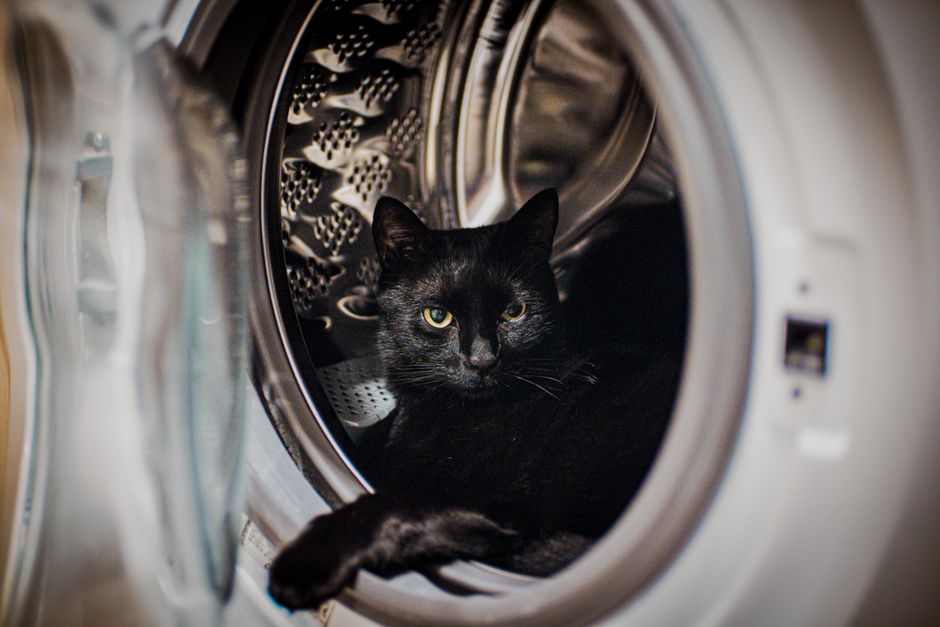
Read the label first, since some toys say spot-clean only. And check the drum before you shut the door. Make sure your cat isn't inside.
Keep Catnip Toys Mostly Dry
Can you wash catnip toys? Yes, but gently, and the scent will fade. Catster suggests only spot-cleaning them with a damp cloth. The Cat's Meow Rescue suggests rinsing them by hand, wringing them out carefully and hanging them to dry. It says never to put a catnip toy in the dryer.
If the catnip sits in a pocket, take it out first. The Vet Desk says to remove the catnip from refillable toys before cleaning.
LitterBond's Refillable Catnip Plush Buddies come in assorted 3- or 6-packs. The store picks the animals. Each has two refill pouches behind a hook-and-loop pocket. Slide the pouch out first. Then spot-clean the plush with a damp cloth, and let it dry. Tuck in a fresh pouch and press the pocket firmly closed. Retire a buddy that stays dirty or starts to wear. Press the pocket firmly closed. Play together, and replace any pouch that tears.
A washed catnip toy may smell weaker, since water carries some scent away. Once it's dry, here's how to refresh a catnip toy. If your cat never cared about catnip, washing isn't the problem. Here's why some cats don't react to catnip.
Use Less Water on Delicate Toys
Feathers, wood, rope and batteries need a lighter touch. A soak can ruin them, or leave water trapped inside.
Feathers
The Vet Desk calls feather toys delicate and suggests spot-cleaning them. The Cat's Meow Rescue suggests rinsing just the feathers in hot water, then hanging the toy to dry. Feathers falling out usually mean the toy needs replacing, The Vet Desk adds.
Wood and Silvervine
Wood soaks up water and can crack or splinter as it dries. Wipe a silvervine stick with a damp cloth, then let it air-dry. Throw it out once the wood cracks, splinters or gets chewed small.
Rope and Sisal
Wash rope toys by hand. The Vet Desk says rope tends to fall apart, even on a gentle machine cycle. Squeeze out the water and hang the toy to dry.
Battery and Sound-Box Toys
Take the batteries out first, if the toy lets you. Wipe the outside with a damp cloth, and keep water away from the battery cover. Follow the maker's instructions. A plush toy with a rattle box or squeaker inside can trap water, so spot-clean it instead.
Dry Every Toy All the Way Through
Never hand back a damp toy. Damp stuffing gives mold a place to grow, and it can stay wet long after the outside feels dry.
- Squeeze, don't twist. Press the water out with a towel.
- Hang it up. Air should reach every side.
- Use the sun if you can. The Vet Desk suggests air-drying washed toys in direct sunlight when possible.
- Feel the middle. If the thickest part feels cool or damp, wait.
A thick plush toy can take a day or more. Let a catnip pocket dry before a fresh pouch goes in.
Clean Toys Monthly, or Sooner
Once a month is a good baseline for most toys. The CDC says to clean pet toys every month, or more often if a toy looks dirty or smells bad. NSF also says monthly, or more often as needed. For sturdy plastic toys, Catster suggests about once a week as a starting point.
Clean it today, not at the monthly wash, if…
- It landed in the litter box.
- It ended up near vomit or a hairball.
- A sick cat played with it.
- A new cat is about to get it.
Rotation helps. The Cornell Feline Health Center says rotating toys can keep your cat from getting bored with them. With fewer toys out, there are fewer to wash.
Take Extra Care With Shared Toys
When a cat is new or sick, give her toys of her own. VCA Animal Hospitals lists toys among the objects that can spread upper respiratory infections. It adds that most spread happens through direct contact between cats.
Some germs last much longer. The Cornell Feline Health Center lists toys among the items that can carry feline panleukopenia virus. It says this virus can survive indoors for many months.
- A new cat: Cornell says to keep her apart from your other cats until your vet has examined her and she's had her vaccines.
- A sick cat: The CDC says to disinfect a sick pet's items when you clean them, and to clean them more often while she's sick. Ask your vet which product to use.
- Hard-to-clean toys: Maddie's Fund tells foster homes not to share stuffed toys, or toys with feathers, fabric or rope, between pets. They're hard to clean and disinfect. Cardboard toys can't be cleaned at all, so throw those away.
A cat who loses interest in play and food at the same time needs a vet check.
If you do one thing tonight, gather every toy from under the couch. Throw out anything torn. Wash the hard ones, spot-clean the rest, and let them all dry overnight. Tomorrow, hand back just one.
Questions this guide did not cover
Can I use vinegar to clean cat toys?
You can, but soap and water does the job for most toys. PetMD lists vinegar with bleach and ammonia as strong cleaning smells cats find unpleasant. If you use it, rinse the toy well and let it dry fully.
Can I wash cat toys with my clothes?
Yes. The CDC says it's okay to put pet items in the washer with your clothes. Pick the cycle and water temperature that suit the fabric.
Is bleach okay for cat toys?
Most toys never need it. NSF's step is for hard toys only: half a tablespoon of bleach in a gallon of water, then a thorough rinse and an air-dry. If your cat is sick, ask your vet which product to use.
Should I wash my hands after playing with my cat?
Yes, it's a good habit. NSF advises washing your hands after playing with pets, and especially before you eat.
Related reading
- How Long Does Catnip Last in a Toy? (And How to Refresh It)
- Cat Toy Safety: What to Supervise and When to Throw It Out
About this article
Researched and written by the LitterBond Team. Sources include the Cornell Feline Health Center, VCA Animal Hospitals, thecatsmeowrescue.org, the CDC and nsf.org. Reviewed and updated November 4, 2026. LitterBond does not employ veterinarians; for medical decisions about your individual cat, always consult your veterinarian.


