
Silvervine Sticks for Cats: How to Use Them, When to Toss Them
LitterBond Team
By the LitterBond Team · Researched against iCatCare, Cornell Feline Health Center and VCA guidance · Last updated: November 1, 2026
The bag of silvervine sticks came today. You set one on the rug. Your cat sniffed it, licked it twice and walked off to the window. Or she grabbed it, flopped over and wouldn't let go.
Both are normal. A silvervine stick is a piece of dried wood from a vine that many cats react to. Used well, it makes a short play session you watch from close by. Left lying around, it turns into splinters on the floor.
Below: what a stick is, how cats respond, and how to offer one the first time. Then how often to bring it out, when to retire a faded one, and the signs that a stick is done.
Know What You're Holding
A silvervine stick is wood. In the research, the wood held the lowest level of the compounds cats react to, and few cats reacted to it. Silvervine's plant name is Actinidia polygama. PetMD says it's a member of the kiwi family. It grows in the mountains of China, Japan and Russia. A stick is a cut piece of the vine's woody stem.
Cats don't react to every part of the plant the same way. A 2017 study in BMC Veterinary Research made its silvervine powder from dried fruit galls. A gall is a lumpy fruit that forms after a tiny fly, the gall midge, lays its eggs inside.
In a small side test, the researchers offered 8 cats silvervine wood. Seven of them ignored it. One cat did react to the wood, in four separate tests. In the two sessions they timed, though, that cat kept its face on the galls longer than on the wood.
A 2023 study in iScience measured the compounds cats react to in each part of the vine. The branches had the lowest total amount.
So think of a stick as the gentle form of silvervine.
Pick a Plain Stick or a Toy
You can offer a bare stick, or a plush toy that carries one. With a bare stick, your cat can lick it, rub her cheeks on it and bat it across the floor. It's also the form most likely to get chewed into splinters. So it needs your closest watch.
A toy adds a soft body to bat and carry. LitterBond's Mini Fruit Silvervine Toys are small plush fruits with catnip inside and a natural silvervine twig for a stem. They come in assorted 3- or 6-packs. The store picks the styles from an apple, a mandarin and a persimmon. A pack may repeat one. The stem can splinter, so play together and check it after each session. The apple's pompom and the mandarin's felt arms are small parts, too.
Rather keep the wood out of sight? LitterBond's Silvervine Mushroom Toys seal one whole silvervine stick inside the plush stem, with catnip. They also come in assorted 3- or 6-packs, with the mushroom designs picked by the store. Check the stem after play. If it's chewed open and the stick shows, throw the toy away.
Every one of these is for play, not for chewing. Supervise any chewing and take it away once the wood splinters.

Silvervine toys
A twig stem with a soft fruit around it
Small plush fruits with catnip inside and a natural silvervine twig for a stem, small enough to bat and carry. Sold in assorted 3- or 6-packs, with the styles picked by the store. Play together, check the stem after each session, and retire a fruit once its stem is chewed down or splinters.
See the mini fruit silvervine toys →Expect a Range of Reactions
Most cats that react sniff, lick, rub and roll. The effect fades within minutes. The 2017 study counted a cat as responding if she showed the classic catnip response. That means sniffing, licking and shaking her head. It also means rubbing her chin or cheeks on the plant and rolling on her back. Some cats drool or rake at it with their back feet.
Not every reaction is wild. PetMD lists sedation and hyperactivity, plus rolling and licking. A cat who goes still and dreamy may be reacting as much as one tearing down the hall.
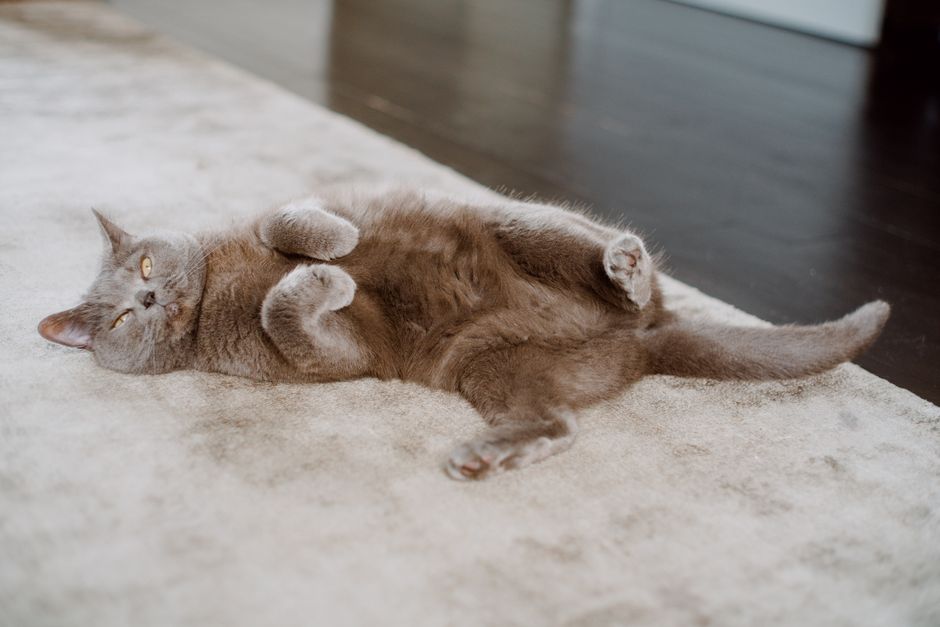
PetMD says the effects begin right away and last up to 30 minutes. In the 2023 study, every cat's second bout of reacting was shorter than her first. That's one reason a short session works better than an all-day stick.
What the Research Found
The 2017 study offered four plants to 100 cats, and most responded to silvervine. It tested powder made from galls, not sticks, so it can't tell you what your cat will do with a stick. For how the two plants compare, see silvervine vs. catnip.
Offer the First Stick Slowly
Set the stick down, step back and let your cat come to it. Choose a quiet time when she's awake and curious.
-
1
Check the stick
Look for cracks, splinters or sharp ends before you start.
-
2
Set it on the floor
Put it where she already likes to hang out.
-
3
Step back
Let her sniff, lick or roll at her own pace.
-
4
Stay close
Supervise any chewing and take it away once the wood splinters.
-
5
Pick it up when she leaves
Look it over again, then seal it in a bag.
Why stay so close? PetMD says to watch your cat very closely with any new chews or toys. Small pieces can break off. A piece could make her choke or block her gut.
If she sniffs and walks away, that's her answer for today. Try again on another day. Results vary from cat to cat.
Space Out the Sessions
One short session, then a break of a few days, keeps a stick interesting. Vetstreet says to give your cat a break from silvervine. With constant exposure, it warns, cats become unresponsive to it.
International Cat Care gives the same kind of advice for toys in general. Keep two or three on the go, rotate them and give her one at a time. It also says to put a toy out of reach when you're not playing together.
That rule matters even more for wood. A stick left out all day means chewing that no one is watching.
Between sessions, keep sticks in a sealed bag or jar, out of her reach.
Retire a Faded Stick
A stick that still gets no reaction after a few days' rest has probably faded. Vetstreet notes that silvervine loses its potency over time, so retire it and open a fresh one.
Many silvervine toys also hold catnip. That scent fades on its own clock. Here's how long catnip lasts in a toy.
Toss It at the First Splinter
Throw a stick away as soon as the wood cracks, splinters or gets small. A worn stick isn't worth the risk of a swallowed piece. Check it each time you pick it up. Toss it if you see any of these:
🪵 Is this stick done?
- A crack along the stick or at either end
- Splinters or thin slivers lifting off the wood
- Sharp ends left by chewing
- A short stub that's been chewed down small
- Loose bits of wood on the floor where she played
The Cornell Feline Health Center advises avoiding toys with small pieces that may come off, especially when chewed, and be swallowed. For every other toy in the house, see this guide to cat toy safety.
Check the stems on toys the same way. Retire a mini fruit once its stem is chewed down or splinters. Throw out a mushroom once its stem is chewed open and the stick shows.
If you think she swallowed a piece of wood, call your vet. VCA Animal Hospitals lists vomiting, diarrhea, a drop in appetite and lethargy among the signs a cat may have swallowed something.
Wait Out Kittens and Non-Reactors
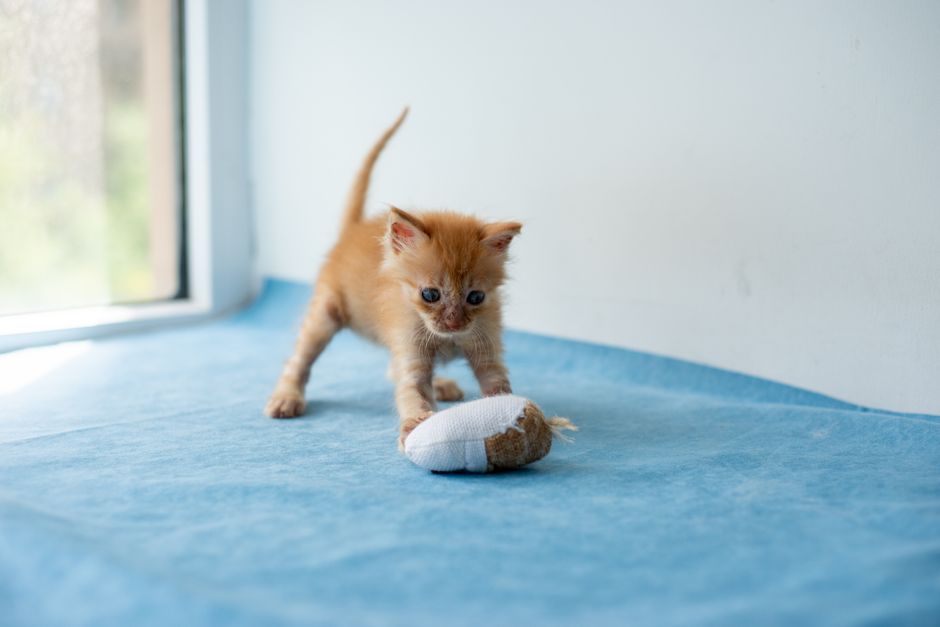
A cat who ignores silvervine isn't broken. A kitten may simply be too young. Vetstreet says kittens under eight months typically don't react to silvervine. If she's a kitten, play with her now and offer the stick again in a few months.
Some adult cats never react, either. International Cat Care calls the catnip response hereditary. It also names silvervine as a plant with similar effects. In the 2017 study, 6 percent of the cats reacted to none of the four plants.
Don't judge silvervine by one stick, though. Only 1 of 8 cats reacted to the wood in that study. Powder or galls may still get a reaction. For more ideas, see why some cats don't react to catnip.
Many cats still play for the chase, the sound or the texture. A wand toy works with no plant at all. Keep one vet line in mind, too. A cat who loses interest in play and food at the same time needs a vet check.
If you do one thing tonight, look the stick over before you hand it to her. No cracks, no splinters, no sharp ends? Set it down, step back and stay close. When she wanders off, pick it up, seal it away and save it for another day.
Questions this guide did not cover
What does "matatabi" mean?
It's the Japanese name for silvervine. PetMD says it means "travel again." The English name comes from the silver-white marks on the plant's leaves.
Why do cats rub their faces on silvervine?
Scientists think it may help keep mosquitoes off. The AVMA's news summary of a 2021 study explains it. Rubbing and rolling moves a compound called nepetalactol from the leaves onto a cat's face and head. There, it acts as a mosquito repellent. That is a finding about cats and plants, not a reason to use any toy as bug protection.
Can a cat get hooked on silvervine?
The research points the other way. In a 2023 study in iScience, cats got used to silvervine with repeated exposure. They stopped responding on their own and chose to spend only a small part of their time in contact with it.
Can silvervine upset a cat's stomach?
In large amounts, it can. PetMD notes that a lot of silvervine can cause stomach upset. Keep sessions small and short. If an upset stomach doesn't settle, call your vet.
Related reading
- Silvervine vs. Catnip: What's the Difference, and Which Should You Try?
- Cat Toy Safety: What to Supervise and When to Throw It Out
About this article
Researched and written by the LitterBond Team. Sources include International Cat Care, the Cornell Feline Health Center, VCA Animal Hospitals, the American Veterinary Medical Association (AVMA) and PetMD. Reviewed and updated November 1, 2026. LitterBond does not employ veterinarians; for medical decisions about your individual cat, always consult your veterinarian.


